What is LED high bay light used for?

Table of Contents
1. Introduction
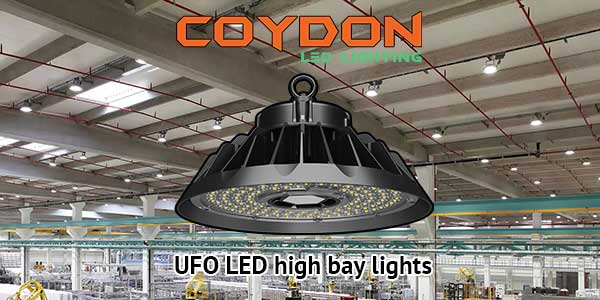
1.1 A World Illuminated: The Unsung Hero of Large Spaces
Walk into any large warehouse. You will see tall shelves stretching toward the ceiling. Workers move quickly between aisles. Forklifts carry heavy loads from one end to another. None of this happens by accident.
Good lighting makes these spaces work. Without it, warehouses become dangerous after dark. Factory workers cannot see small parts clearly. Gymnasiums feel dark and unwelcoming. Operations slow down or stop completely.
LED High bay lights solve this problem every day. They hang from high ceilings and send light down to the floor below. Most people never think about them. But facility managers know their value.
These lights keep businesses running after sunset. They help workers see clearly and stay safe. They turn empty buildings into productive spaces. For large facilities, LED high bay light is not just helpful. It is essential.
1.2 Beyond a Simple Light Bulb: Defining the High Bay
A high bay light is not an ordinary lamp. It serves a specific purpose in specific spaces.
These fixtures light up rooms with ceilings twenty feet high or more. Think of large warehouses, factory floors, or big box stores. Regular lights cannot reach far enough. Their beams fade before hitting the ground.
High bay lights work differently. They send strong light downward from great heights. Special reflectors or lenses help control where the light goes. Some models use narrow beams for tall spaces. Others spread light wider for lower ceilings.
The difference comes down to design. A typical office light works a few feet above a desk. A high bay light works forty feet above a concrete floor. That distance changes everything about how the fixture must perform.
Mounting methods also set them apart. Chains or hooks often hold these lights in place. Some attach directly to ceiling beams. Either way, installation requires careful planning. The goal stays the same: get bright, even light all the way down to where people work.
1.3 The Evolution is Here: Why LED is the Undisputed Champion
Old high bay lights come with real problems. Metal halide fixtures take forever to warm up. Fluorescent tubes contain toxic mercury. Both types burn through energy and need constant replacement.
LED technology changed everything. It lights up instantly at full brightness. No warm-up time means no waiting. Workers see clearly the moment they flip the switch. Energy savings tell a powerful story. LED high bays use much less power than older options. Facility managers watch their electric bills drop month after month. Those savings add up fast.
Maintenance crews also breathe easier. LED fixtures last for years without attention. No more climbing lifts to change burned-out bulbs. No more hunting for hard-to-find replacement parts. Better light quality comes standard too. LED produces clean, consistent illumination. Colors look natural and true. Shadows fade away. Work spaces feel brighter and safer.
This shift matters for every large facility. Better lighting means better productivity. Lower costs mean healthier budgets. The rest of this guide explores exactly how LED high bays deliver these benefits and how to pick the right ones for your space.
1.4 Introducing Coydon Lighting: Your Partner in Illumination
Coydon Lighting focuses on one thing: quality LED solutions. We manufacture fixtures that perform day after day. Our KD-HBD series represents years of engineering work. These UFO LED high bay lights deliver 150 lumens per watt. That means bright light without high energy bills. Customers appreciate the difference.
We do more than sell products. Our team helps plan your lighting layout. We provide Dialux simulations before you buy. This removes guesswork from your project. Service matters as much as hardware. We answer questions quickly. We stand behind our products with solid warranties. When you work with us, you gain a partner who cares about your results.
2. Decoding LED High Bay Lights: A Primer
2.1 What Exactly is an LED High Bay Light?
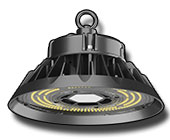
100 Watt
KD-HBD-W100-1
Ø248mm X 129mm
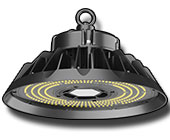
150 Watt
KD-HBD-W150-1
Ø295mm X 140mm
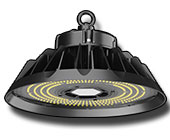
200 Watt / 240 Watt
KD-HBD-W200-1 / KD-HBD-W240-1
Ø320mm X 154mm
Look up in any large warehouse. You will likely see round fixtures hanging from chains. Those are UFO LED high bay lights. Their name comes from the shape. Round bodies with flat faces look like flying saucers. This design serves a clear purpose. Round shapes distribute heat evenly across the surface. LED chips produce heat when lit. Too much heat shortens their life. The round body acts as a heatsink. It pulls heat away from the diodes.
Compact size matters too. These fixtures fit in tight spaces between beams. They do not block overhead cranes or equipment. Their low profile keeps them out of the way. Light control starts with the round shape. Lenses sit flush against the flat face. They direct light downward exactly where needed. No wasted light goes up toward the ceiling.
Coydon Lighting’s KD-HBD series follows this proven design. Each fixture combines efficient LEDs with smart thermal management. The result delivers reliable performance year after year.
2.2 Key Specifications at a Glance
| Input Voltage: | AC 90V – 305V |
| Colour Temperature: | 3000K / 4500K / 6000K |
| Color Rendering Index: | 80+ |
| LED Type: | LED SMD 2835 ( OSRAM ) |
| IP Grade: | IP65 |
| Material: | Aluminium + PC Lens |
| Luminous Efficiency: | 150 Lumens per watt |
| Beam Angle: | 60° / 90° / 120° |
| Warranty: | 5 Years |
| Mounting Height: | 100 Watt: 15–20 ft (4.5–6 m) 150 Watt: 20–30 ft (6–9 m) 200 Watt: 30–40 ft (9–12 m) 240 Watt: 40–50 ft (12–15 m) |
- Wattage Options And Mounting Height: Coydon KD-HBD fixtures come in four power levels. Each suits different ceiling heights. Our 100W model works best for ceilings 15 to 20 feet high. Small warehouses and workshops often choose this option. The 150W version handles 20 to 30 foot ceilings. Medium-sized facilities find this a good fit. For taller spaces, we offer 200W and 240W models. The 200W fixture lights ceilings from 30 to 40 feet. Large distribution centers rely on this power level. The 240W reaches up to 50 feet. Airplane hangars and big box stores use these. Choosing the right wattage matters. Too little power leaves dark areas below. Too much wastes energy and money. Our mounting height guide helps customers pick correctly the first time.
- Luminous Efficiency: The Coydon Advantage: Lumens per watt measures how efficient a light really is. Higher numbers mean more light from less electricity. KD-HBD series delivers 150 lumens per watt. This places our fixtures among the most efficient options available. Every watt of power produces real value for customers. What does this mean for your facility? Lower electric bills every month. A 200W LED replaces a 400W metal halide easily. You get the same brightness with half the energy use. Payback happens fast. Energy savings add up quickly. Many customers recover their investment in under two years. After that, the savings go straight to your bottom line.
- Color Temperature And CRI: Color temperature changes how a space feels. Three options suit different needs. 3000K gives warm, yellowish light. Restaurants and hotels often prefer this feel. 4500K provides natural white light. Factories and workshops choose this for detailed work. 6000K offers cool, bluish light. Security areas and inspection lines use this for clarity. CRI measures color accuracy. KD-HBD series scores 80 or higher. This means products look natural. Package colors appear correct. Workers spot defects more easily. Good color rendering improves quality control and reduces mistakes.
- Beam Angle And IP Rating: Beam angle controls how light spreads from the fixture. Narrow angles send light straight down. Wide angles cover more floor area. Our 60° beam works best for very high ceilings. Light reaches the floor with intensity. The 90° option suits most general applications. It balances coverage with brightness. 120° spreads light widely for lower ceilings. Aisles and open floor plans benefit from this choice. IP65 rating means these fixtures handle tough conditions. Dust cannot enter the housing. Water jets cause no damage. Cold storage rooms work fine. Covered outdoor areas also work well. This durability matters for long-term reliability.
- Durability And Warranty: Good materials make good products. Our fixtures use aluminum housings with PC lenses. Aluminum draws heat away from LEDs. This keeps components cool and extends life. PC lenses resist impact and do not yellow over time. Five-year warranty backs every KD-HBD fixture. This covers defects and performance issues. We stand behind what we build. Fewer replacements mean lower costs over time. No climbing lifts to change failed bulbs. No unexpected downtime. Just reliable light year after year.
3. The Primary Applications: Where Does LED High Bay Light Shine?
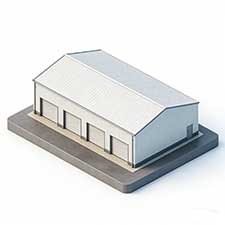
Warehouses
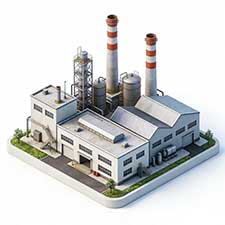
Factories
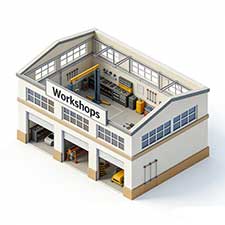
Workshops
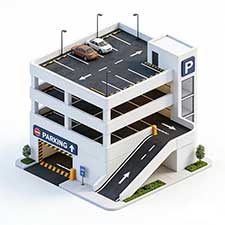
Parking Garages
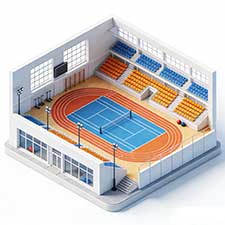
Stadiums
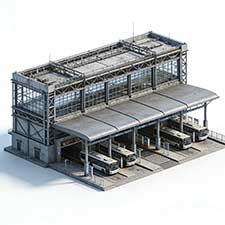
Stations
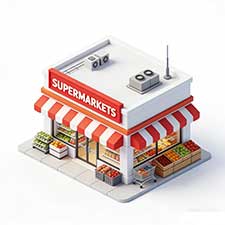
Supermarkets
Gas Stations
3.1 Warehouses And Distribution Centers: The Heart of Logistics
Warehouses face unique lighting challenges every day. Tall racks create shadows that hide products. Forklift drivers need clear sight lines to work safely. Workers must read small labels on boxes quickly. Poor lighting causes real problems here. Missed items delay shipments. Accidents happen when drivers cannot see clearly. Mistakes cost time and money.
LED high bays solve these issues effectively. They send strong light straight down from above. Narrow beam angles reach between tall shelves. Light fills spaces that used to stay dark. Shadows disappear. Labels become easy to read.
Drivers work with more confidence now. They spot obstacles before getting close. Aisles feel safer and more open. Productivity climbs when people see well.
Case Study: Illuminating a 2,323m² Warehouse with Coydon Lighting
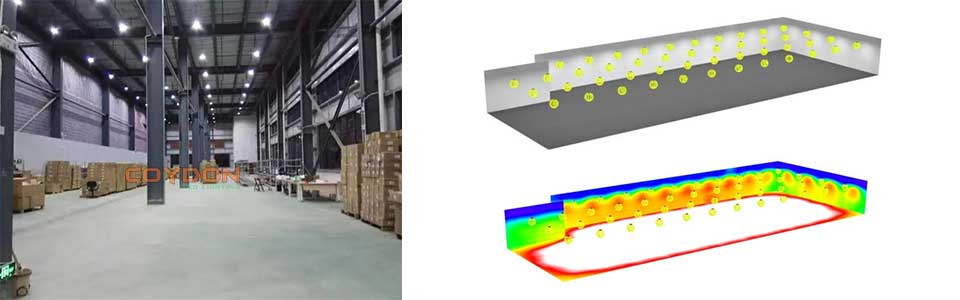
The calculation report: UFO LED high bay lights 150 watt x 46 piece ( Project 02 )
A recent project shows what our lights can do. A large warehouse needed better illumination. The space covered 2323 square meters with high ceilings. We installed 46 Coydon 150W UFO LED high bays. Not one more. Not one less. Just enough to do the job right. Results speak for themselves. Working plane average hit 338 lux. This exceeds typical warehouse requirements by a good margin. Uniformity measured 0.389. That means even light across the whole floor. No dark spots between racks. No shadows hiding products.
The customer got exactly what they needed. Bright, consistent light throughout their facility. Their team works faster now. Fewer mistakes happen. Safety improved right away. This is what good planning delivers. Our Dialux simulation helped us get it right. We will explain more about that later. For now, know this: proper lighting transforms warehouse operations completely.
3.2 Factories And Manufacturing Facilities: Powering Productivity
Factory floors demand more from lighting than most spaces. Workers assemble small components with care. Quality inspectors scan products for tiny flaws. People stand at workstations for full shifts. Poor lighting hurts all these tasks. Eyes strain to see details. Mistakes happen more often. Fatigue sets in long before the shift ends. Production slows down. Rework costs go up. Research backs what workers feel every day. A study in the International Journal of Ergonomics found clear links between lighting and performance. Better light leads to better output. Workers stay focused longer. Quality improves across the board.
LED high bays deliver what factories need. Bright, even light reaches every workstation. Shadows do not hide defects. Colors look accurate and true. Inspectors catch problems faster. Assembly moves more smoothly. The difference shows in daily operations. Morning shifts start strong. Afternoon workers stay alert. End-of-day quality holds steady. Less rework means more good products shipped. Lower costs and happier customers follow naturally. Good light pays for itself here. Not just through energy savings. Through better work and fewer mistakes. Factories that see well simply run better.
3.3 Workshops And Garages: Precision in Every Task
Workshops and garages present their own lighting problems. Mechanics lean over engine bays looking for small parts. Technicians work under lifted vehicles. Shadows hide fasteners and wiring. Poor light leads to mistakes here. A wrench slips off a bolt. A wire gets connected wrong. A small crack goes unnoticed. These errors cost time and money to fix.
LED high bays change this completely. Bright light floods the whole work area. No more squinting to see details. No more flashlights held in teeth while both hands work. Everything becomes visible. The light reaches everywhere it needs to go. Under hoods. Inside cabinets. Across workbenches. Mechanics work faster with better results. Jobs finish sooner. Comebacks happen less often.
Optional Feature: Motion Sensors Save More Energy
Our fixtures offer microwave sensors as an option. These detect movement below and respond instantly. Someone walks into the shop. Lights come on right away. No switches to flip. No waiting in darkness. The person leaves. Lights dim down after a set time. No wasted electricity burning all day. Just light when and where needed.
This matters for busy workshops. People move in and out constantly. Bays sit empty between jobs. Why pay to light empty space? Motion sensors cut waste without cutting convenience. Workers always have light when they arrive. The shop stays dark when empty. Energy bills drop further. Garage owners appreciate this smart feature. They save money without changing habits. Their teams stay productive. Their spaces stay safe. Good lighting and smart controls work together perfectly.
3.4 Indoor Stadiums And Gyms: Creating an Energetic Arena
Sports facilities ask a lot from their lights. Players need to see fast-moving balls clearly. Spectators want good views from every seat. Cameras require consistent brightness for recording games.
Old lighting struggled here. Metal halides took minutes to warm up. Games could not start right away. Flickering lights distracted players and viewers alike. Hot spots and dark patches made play uneven.
LED high bays solve every one of these problems. They reach full brightness instantly. No waiting for warm-up. Games begin exactly on schedule. Uniform light covers every corner of the court. No dark zones where players lose the ball. No bright spots that hurt eyes. Just even illumination everywhere.
Glare causes real issues in sports. Players look up and lose sight of the ball. Our fixtures control light direction carefully. Beams aim where needed, not into eyes. The result transforms game experience. Athletes perform at their best. Spectators enjoy clear views. Television broadcasts look professional. Energy costs stay low while quality stays high.
3.5 Supermarkets And Big Box Retail Stores: Curating the Shopping Experience
Retail spaces compete for customer attention every day. Store managers know lighting makes a difference. Good light draws people in. Bad light drives them away. Fresh food areas need special care. Red apples should look red. Green lettuce should look green. Steaks should look appetizing. Poor lighting kills that appeal fast.
Our LED high bays deliver CRI 80 or higher. Colors appear natural and true. Meat cases showcase their products well. Produce sections feel fresh and inviting. Clothing racks display true fabric colors. Shoppers notice the difference even if they cannot name it. Stores feel brighter and cleaner. Products look better. People stay longer and buy more.
Uniform light matters too. No dark corners where dust collects. No shadowed aisles that feel unsafe. Every part of the store looks equally well kept. Retailers see results in their sales figures. Better light means better shopping experiences. Better experiences mean more purchases. It really works that simply.
3.6 Other Critical Applications: Versatility in Action
Stations And Parking Garages
Train stations and parking garages face harsh conditions daily. Vehicles bring in dust and exhaust fumes. Rain blows through open sides. Temperature swings happen constantly. Standard lights fail fast in these places. Moisture gets inside and shorts components. Dust blocks light output over time. Crews spend too much time replacing failed fixtures.
Our IP65 rating changes this story. Dust stays out completely. Water jets cause no damage. Even pressure washing does not hurt these lights. Parking garages benefit greatly. Drivers see clearly while searching for spaces. Security cameras capture better images at night. Pedestrians feel safer walking to their cars.
Stations stay bright and welcoming. Passengers read schedules easily. Platform edges remain visible. Operations continue without lighting failures.
Gas Stations
Gas stations run 24 hours a day in all weather. Summer heat bakes the pavement. Winter cold freezes everything. Rain and snow fall constantly. Fuel vapors hang in the air. Lights here must survive everything nature throws at them. Our fixtures handle the challenge without complaint. Aluminum housings resist corrosion. Sealed electronics ignore moisture completely.
Drivers pull in and see bright, clean light. Pump islands stand out clearly. Prices are easy to read from the street. Safety improves when every area stays well lit. Station owners appreciate the durability. No constant bulb changes. No fixtures dying after one rainy season. Just reliable light year after year.
The same qualities serve other tough spots well. Loading docks. Vehicle wash bays. Cold storage rooms. Anywhere conditions turn harsh, these lights keep working.
4. Why Choose LED Over Conventional Lighting? A Data-Driven Comparison
4.1 Metal Halide
Metal halide lights dominated industrial spaces for decades. They were the only option available. But they came with serious problems that never went away. Startup time frustrates everyone who uses them. Flip the switch and nothing happens. Workers stand in dim light waiting. Full brightness takes ten to twenty minutes. That is lost productivity every single day.
Color looks wrong under these lights. A CRI around 65 makes everything dull. Package colors blend together. Product labels become hard to read. Quality inspectors miss defects regularly. Mercury inside each bulb creates disposal headaches. Broken lamps release toxic material. Used bulbs require special handling. Environmental rules add costs and paperwork.
Heat pours out of every fixture. Summer months feel worse near the ceiling. Air conditioning works harder to compensate. Energy gets wasted twice. Maintenance drains budgets constantly. Bulbs last only 15,000 to 20,000 hours. That means frequent replacements. Each change requires lifts and labor. Finding replacement parts grows harder every year.
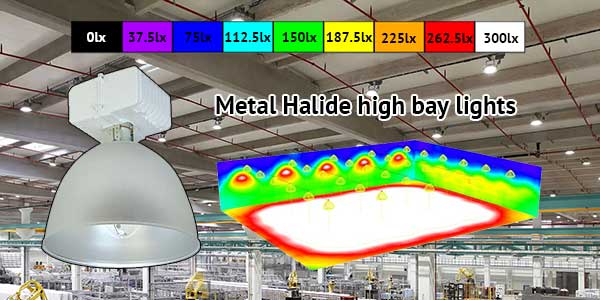
Seeing is Believing: Coydon LED 200W vs. Traditional 400W MH
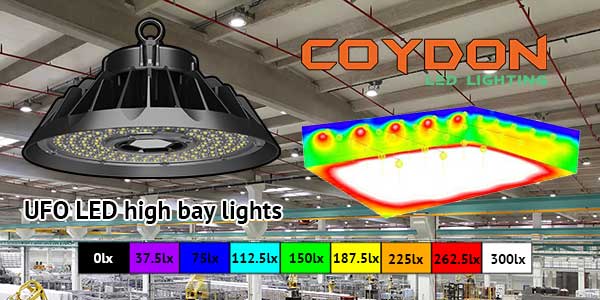
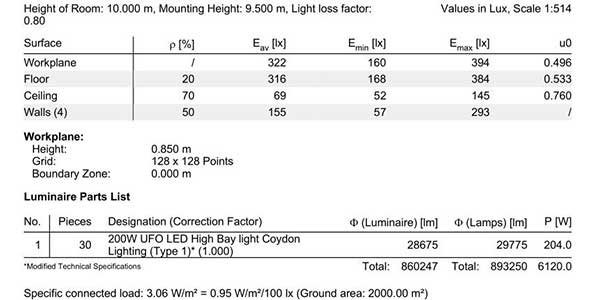
PDF file: 30 PCS 200 Watt UFO LED high bay lights
PDF file: 30 PCS 400 Watt Metal Halide high bay lights
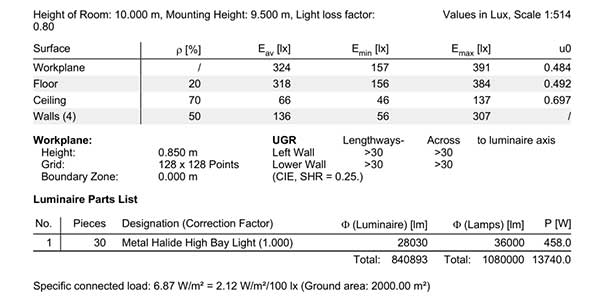
Numbers tell the real story here. We tested both options in the same space. A 2,000 square meter room with 10 meter high ceilings. Thirty fixtures in each setup. The metal halide system drew 13,740 watts total. Every hour of operation consumed that much power. Our LED system needed only 6,120 watts for the same space. That is less than half the energy.
Both systems delivered nearly identical light levels. The LEDs matched metal halide brightness easily. But they did it using 55 percent less electricity. Think about what this means for your facility. Cut your lighting energy in half starting day one. No loss of light quality. No sacrifice in coverage. Just immediate savings that continue year after year.
4.2 Fluorescent
Fluorescent tubes found their way into many industrial spaces. T5 and T8 models became common choices. But they brought their own set of problems. Mercury sits inside every tube. One break creates a hazmat situation. Disposal follows strict environmental rules. Costs add up over time. Frequent switching kills these lights fast. Turn them on and off several times daily. Lifespan drops dramatically. Warehouses with motion sensors saw tubes fail constantly.
Ballasts add another failure point. These devices control electrical current. When they die, lights stop working. Replacing ballasts takes time and money. Light output fades over time too. Old tubes grow dim long before they fail. Workers struggle to see well. Nobody notices the slow decline until problems start.
LEDs solve every one of these issues. No mercury means safe disposal. Instant on-off causes no harm. No ballasts to fail. Consistent brightness for years. The choice becomes obvious.
4.3 Head-to-Head Comparison Table
PDF file: 30 PCS 200 Watt UFO LED high bay lights
PDF file: 30 PCS 400 Watt Metal Halide high bay lights
Numbers cut through marketing claims quickly. Facts show what really matters. Here is how Coydon LED high bay light stacks up against old metal halide technology.
| Feature: | Coydon LED High Bay (200W) | Traditional Metal Halide (400W) |
| Total System Power: | 30 x 204W = 6,120W | 30 x 458W = 13,740W |
| Yearly Energy Cost: | About $6,120 | About $13,740 |
| Total Light Output: | 30 x 28,675 lm = 860,250 lm | 30 x 28,030 lm = 840,900 lm |
| Average Illuminance: | 322 lux | 324 lux |
| Color Rendering Index: | Above 80 | About 65 |
| Startup Time: | Instant full brightness | 10 to 20 minutes |
| Lifespan: | Over 50,000 hours | 15,000 to 20,000 hours |
| Warranty: | 5 years | Typically 1 year |
- Power Consumption Comparison: Look at the first row closely. LED uses 6,120 watts total. Metal halide needs 13,740 watts for the same space. That is a difference of 7,620 watts every hour. Run lights 4,000 hours per year. LED consumes 24,480 kWh. Metal halide burns through 54,960 kWh. The gap keeps growing month after month.
- Financial Impact: Electricity at ten cents per kilowatt-hour. LED costs about $6,120 annually. Metal halide costs roughly $13,740. Over seven thousand dollars stays in your pocket each year. Multiply that over five years. Savings exceed $35,000 easily. The numbers speak for themselves.
- Light Quality Matters Too: CRI tells an important story. LED scores above 80. Colors look natural and correct. Metal halide sits around 65. Everything appears dull and washed out. Total light output runs nearly identical. LED actually produces slightly more lumens with half the power. No compromise in brightness. Just better efficiency.
- Reliability Differences: Startup time changes daily operations. LED lights instantly. Workers begin immediately. Metal halide forces everyone to wait. Lost time adds up across every shift. Lifespan triples with LED. Replacements happen far less often. Maintenance crews focus on other work. Five year warranty provides peace of mind.
- The Bottom Line: Replace 400W metal halide with 200W Coydon LED. Cut electricity bills in half starting today. Get better color and instant light. Enjoy reliable operation for years. The math works every single time.
5. Optimizing Your Lighting Project: Tailoring the Solution to Your Needs
5.1 The Power of Customization: Intelligent Controls
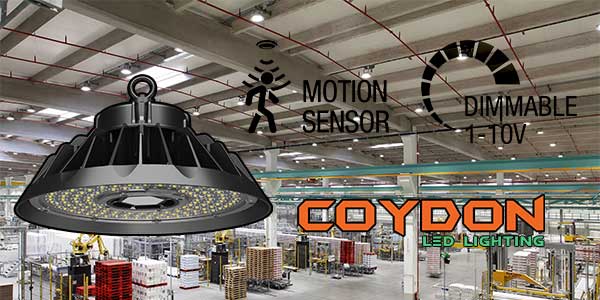
Standard fixtures work well for many spaces. But some facilities need more. Our optional controls deliver exactly that.
Microwave sensors detect movement below. Someone walks into an aisle. Lights come on right away. No switches to flip. No waiting in darkness. The person moves on. Lights dim after a set time. This matters for warehouses with light traffic. Aisles sit empty for hours. Why pay full price to light nothing? Sensors cut waste without cutting convenience.
1-10V dimming offers another level of control. Connect to building automation systems. Adjust brightness based on time of day. Reduce power during lunch breaks. Bring lights back to full before shifts start.
Daylight harvesting becomes possible too. Sensors read available sunlight. Fixtures dim automatically when sun pours through windows. Brighten again as clouds roll in. Perfect light levels all day long.
These features push savings even further. Energy bills drop below what standard LEDs already save. Payback happens faster. Long-term costs keep falling. Smart controls turn good lighting into great investments.
5.2 Precision Planning with Professional Tools
The Importance of a Photometric Plan
Guessing never works for lighting projects. Put fixtures too far apart. Dark spots appear between them. Space them too close. Money gets wasted on extra lights. Ceiling height changes everything. Beam angles interact with mounting distance. Reflective surfaces affect how light spreads. Every space has unique characteristics.
A photometric plan solves these problems before installation starts. Professional software models your exact space. It calculates where every light should go. It predicts exactly how bright each area will be. No surprises after installation. No disappointing results. Just perfect lighting designed specifically for your facility.
Coydon’s Service Advantage
Here is what sets us apart. Coydon Lighting provides free Dialux simulation reports for every serious project. This service costs nothing extra. But it delivers tremendous value. Remember the warehouse project from earlier? Forty-six fixtures lighting 2,323 square meters. Those numbers came from a real Dialux simulation. We did not guess. We calculated.
Remember the comparison between LED and metal halide? Thirty fixtures in a 2,000 square meter space. Every lux value came from actual simulations. You saw real data, not marketing claims. Your project deserves the same treatment. Send us your dimensions. Tell us about your ceilings. Share any special requirements you have. Our team builds a complete model of your space. We test different fixture options. We find the perfect layout for your needs. You see the results before buying anything.
This removes all guesswork. You know exactly what to expect. No overbuying. No underlighting. Just the right solution for your facility. This is what professional partnership means. Not just selling products. Providing expertise that ensures your success.
5.3 Easy Installation and Retrofit
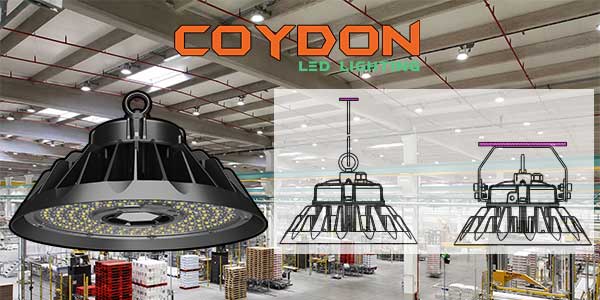
Installation should not be complicated. Our UFO high bays make it simple. Each fixture comes with mounting hooks. Attach them to existing chains or hooks on your ceiling. Hang the light. Connect the wires. Job done. No special tools required. No complicated brackets.
For new construction, pendant mounts work well. Threaded rods lower the fixture to the perfect height. Secure in place and wire up. The whole process moves quickly. Retrofit projects get even easier. Most facilities already have metal halide fixtures installed. The same mounting points work for our LEDs. Same hooks. Same chains. Same electrical boxes. Remove the old heavy fixture. Hang our lightweight LED in its place. Use existing wiring. Complete the swap in minutes. No need to rewire the whole building. No expensive electricians for days. No long shutdowns disrupting operations. One-for-one replacement keeps things simple.
Lower installation costs mean faster payback. Less labor equals more savings. Your new lights start paying for themselves sooner.
6. Conclusion And Call to Action: Let Coydon Light the Way
6.1 The Clear Choice for Modern Facilities

Let us review what we covered. Coydon KD-HBD fixtures deliver 150 lumens per watt. This efficiency cuts energy use by more than half compared to metal halide. Five year warranty protects your investment. IP65 rating handles dust and moisture with ease. Optional sensors add smart controls for even more savings.
Dialux simulations remove guesswork from planning. You see results before buying anything. Better light quality improves daily operations. Colors appear natural and true. Shadows disappear from work areas. Maintenance stops being a constant headache. The choice comes down to simple math. Lower electric bills. Fewer replacements. Better working conditions. All from one smart upgrade.
6.2 Why Partner with Coydon Lighting?
Three reasons explain why customers choose us.
- Proven Performance: We do not make empty claims. Our success stories speak for themselves. The warehouse project with 46 fixtures. The head-to-head comparison against metal halide. Real data from real installations. You saw the numbers earlier. They tell the whole story.
- Data-Driven Planning: Guesswork leads to poor results. We take a different approach. Free Dialux simulations map your exact space. We calculate fixture counts and placement precisely. You see expected light levels before spending money. No surprises. No disappointment. Just confidence in your investment.
- Reliable Quality: Five year warranties mean something. They show faith in our products. We build fixtures that last. Aluminum housings. Quality components. Careful assembly. When we say these lights will perform, we back it with years of coverage.
This combination sets us apart. Proven results. Smart planning. Lasting quality. That is what partnership with Coydon delivers.
6.3 Ready to Illuminate Your Space? Take the First Step Today!

You have seen the data. You have read the case studies. You understand the benefits now. The question is simple: what comes next? Your facility deserves better light. Your team deserves safer working conditions. Your budget deserves real savings. Do not let another month pass with outdated lighting. Do not keep paying for expensive metal halide power bills. Do not wait for the next bulb failure that requires a lift and labor.
Coydon Lighting stands ready to help. Our team brings years of experience to every project. We listen to your needs first. Then we design solutions that fit. Start with a quick conversation. Tell us about your space. Share your goals and concerns. We will show you what is possible.
The warehouse projects you saw started exactly this way. Someone reached out. We talked through their challenges. We ran simulations. We delivered results. Your project can follow the same path. Better light. Lower costs. Lasting performance. Click “Inquiry Now” button. Send us a message. Let us build something great together.