Color Temperature Guide for Industrial Facilities: 3000K, 4000K, 5000K, and 6000K

Table of Contents
1. Introduction: The Hidden Cost of CCT Errors in Industrial Facilities
1.1 Why Color Temperature is More Than Just an Aesthetic Choice
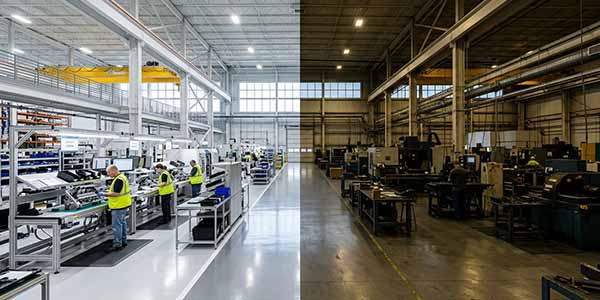
When designing facility lighting, color temperature is often treated as a stylistic detail. However, Correlated Color Temperature (CCT) plays a pivotal operational role. It directly impacts visual acuity, shop floor safety, and worker productivity. Proper CCT selection ensures employees see fine details clearly. It helps workers identify assembly defects without experiencing severe eye strain.
Beyond visibility, color temperature regulates worker alertness and human circadian rhythms. Light with higher blue spectrum content suppresses melatonin secretion effectively. This spectral output boosts focus during demanding night shifts. Consequently, optimized color temperature reduces operational errors and workplace accidents. It transforms lighting from a simple utility into a vital functional asset.
1.2 The Financial & Operational Cost of Wrong CCT Selection
Installing wrong CCT fixtures brings immediate operational headaches to any active factory floor. Low color temperature in high-precision areas quickly triggers severe eye strain. Operators struggle to catch tiny surface scratches, poor welds, or misaligned parts. As a result, scrap rates go up and rework costs stack up fast.
Improper CCT also brings real safety risks to daily plant operations. Poor visual contrast delays driver reaction times around heavy machinery and forklifts. Bad lighting setups leave dark spots along narrow, tall storage aisles. Over time, visual fatigue causes higher accident rates and expensive insurance claims.
Beyond immediate safety risks, bad lighting decisions eat away at long-term profits. Replacing wrong fixtures wastes maintenance budget and causes unwanted facility downtime. Swapping out full lighting setups disrupts daily production output and shipping targets. Plant managers need to account for these hidden costs early on. Choosing the right CCT upfront saves both project time and capital.
1.3 Executive Summary: What You Will Learn in This Guide
This guide gives facility procurement managers, electrical contractors, and lighting engineers a practical handbook for floor decisions. Getting CCT right takes far more than just personal taste. It requires balancing real visual clarity, site safety compliance, and long-term power savings.
We break down how 3000K, 4000K, 5000K, and 6000K perform across actual factory setups. You will discover what works best in low-bay storage, high-ceiling plants, and open outdoor yards. Beyond basic color options, we explain how mounting heights, optics, and fixture efficiency work directly alongside CCT choices.
That’s why this handbook helps you eliminate guessing, plan facility retrofits smoothly, and order new fixtures with total confidence.
2. Decoding Correlated Color Temperature (CCT) & Key Photometric Metrics
2.1 Understanding CCT: From Warm 3000K to Cool 6000K
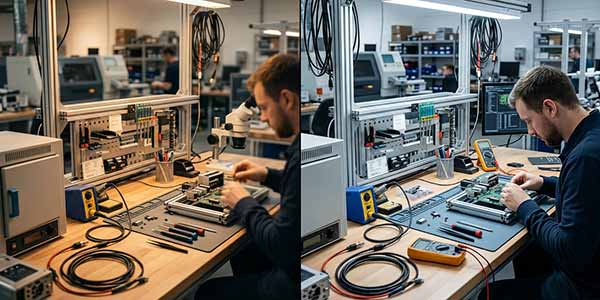
Correlated Color Temperature measures the overall color appearance of light emitted by an industrial lamp. It relies directly on the Kelvin temperature scale, derived from blackbody radiation physics. As a theoretical blackbody heats up, its color turns from deep red to bright blue.
In LED fixture design, lower CCT values like 3000K produce warm, yellow-tinted light output. These fixtures contain a smaller proportion of blue light wavelengths within their spectral power distribution. Conversely, higher CCT options such as 6000K deliver cool, crisp white illumination across working areas.
As CCT rises toward 6000K, the blue light peak within the spectrum increases significantly. This wavelength shift alters human visual perception and fine contrast sensitivity on the factory floor. Higher blue spectral content makes tiny object edges look sharper and visually clearer to workers.
Understanding this physical progression gives facility teams a solid foundation for lighting design. It allows engineers to balance visual accuracy against employee comfort across different work shifts.
2.2 Debunking the Myth: Color Temperature vs. Luminous Efficacy
Plenty of plant managers assume higher Kelvin fixtures always output more light. They grab 6000K lamps over 4000K units, expecting better room coverage. Yet Kelvin ratings only track color shade, never total light volume.
Actual brightness traces back to lumens per watt rating. Efficacy rests on physical chip selection and power driver design. Top-tier SMD 2835 and SMD 3030 packages turn power into clean lumens without wasting energy. High-quality drivers maintain steady current without burning up internal components.
Consider a practical bench test. A well-built 4000K fixture running at 150 lm/W delivers more raw light than a cheap 6000K setup capped at 130 lm/W. That cooler, blue-tinted glow can trick your eyes at first glance, but overall light levels fall short.
Smart buyers check fixture efficacy figures before looking at CCT numbers. Looking beyond simple Kelvin values protects your lighting budget and keeps workspace light levels right where they belong.
2.3 The Critical Triad: CCT, CRI (≥80), and Glare Control (UGR)
Getting optimal shop floor lighting requires balancing CCT, color rendering, and glare control at the same time. High Kelvin numbers alone never guarantee clear visual inspection for workers. Truth is, without good color rendering, assembly staff struggle to spot subtle surface coating shifts. Maintaining a CRI rating of 80 or higher ensures raw metals, fresh paint, and thin wiring colors look completely natural.
Pairing proper CCT with high CRI improves quality checks during complex line tasks. Yet pushing cooler color temperatures also brings real glare hazards across high bay spaces. Intense daylight wavelengths trigger eye fatigue, headaches, and constant squinting under bare LED chips. That is where low Unified Glare Rating targets come into play on active plant floors.
Specifying frosted optical lenses or patterned PC covers helps spread bright beam spots evenly. High grade lens optics cut uncomfortable glare without killing total light output. Getting this three part balance right keeps visual inspection accurate while keeping production teams comfortable all day long.
2.4 Circadian Rhythm and Human Factors in Industrial Lighting
Shift work puts serious stress on worker focus and physical stamina. That is where Human Centric Lighting makes a real difference on the factory floor. Turns out, blue-heavy high CCT light shuts down melatonin production in our bodies. Lower melatonin levels naturally keep operators awake, active, and sharp during long working hours.
For plants running overnight, high CCT lamps change the game entirely. Running 5000K or 6000K setups boosts night crew alertness when tiredness usually kicks in. Bright cool light signals the brain to stay sharp, cutting late-shift errors on assembly lines.
Here is how smart managers use human biology to their advantage. Picking cooler color temperatures helps cut sleepiness, lowers accident risks, and keeps output steady across every single shift.
3. Deep Dive: 3000K, 4000K, 5000K, and 6000K Breakdown
3.1 3000K Warm White: Optical Features, Visual Perception, and Best Uses
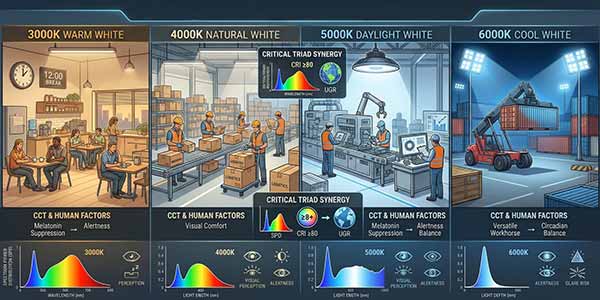
Warm white 3000K pumps out mostly red and yellow light waves. It drops blue spectral spikes right down, making indoor spaces feel very easy on human eyes. But that soft yellow output carries a huge drawback on active production floors. Visual contrast drops fast, so tiny object edges get blurry. Plainly put, warm light fails on fast assembly lines or tight quality inspection tasks.
Stick to using 3000K inside staff break areas instead. Worker cafeterias, rest lounges, locker rooms, and main office spaces run best on warm tones. Swapping harsh shop floor light for softer yellow rays gives worker eyes a real break. Operators recharge much faster between long physical shifts when their eyes are not fighting bright high-bay glare.
Outdoors is another story entirely. Mounting 3000K fixtures along facility boundary walls helps cut down annoying sky glow. Lower color temperatures meet local Dark-Sky rules without any extra hassle. You get solid perimeter coverage, clear fence line view, and safe pathway visibility without throwing blinding light into neighboring residential properties or open public roads.
Keeping 3000K away from active machinery creates a clean operational line in your plant. Cozy light belongs strictly in welfare rest zones, while cool daylight handles the heavy lifting on active shop floors.
3.2 4000K Natural White: The Versatile Workhorse for Long Shifts
Natural white 4000K hits a sweet balance point on active factory floors. It sits right between heavy yellow warm light and sharp blue daylight. The overall output feels just like clear mid-morning sun overhead. Throwing 4000K fixtures into lower ceiling spaces (15–20 ft) cuts out brutal glare issues completely. Assembly operators work straight through 8-to-12-hour shifts without fighting nasty eye strain or headache issues.
Think about mid-height plant zones where high focus really matters. Low-bay warehouses, busy packing lines, and sorting areas run great under this clean light setup. Workers spot barcode numbers, track small shipping tags, and move heavy boxes without missing a beat.
Maintenance crews and repair shops love 4000K for the exact same reason. Mechanics pick out fine metal cracks, oil drips, and surface scratches fast. Pure white light highlights physical flaws without throwing blinding reflections off metal parts.
Cooler 6000K lamps can feel harsh and clinical after long working hours. But 4000K keeps things neutral, practical, and very steady instead. Shift workers adjust to this natural tint fast without feeling worn out.
If you need one solid fixture color to handle mixed indoor tasks, 4000K is your best bet every time. It keeps production moving smoothly while keeping your hard-working crews comfortable all shift long.
3.3 5000K Daylight White: The Industrial Standard for Precision & High Bays
Most plant engineers call 5000K daylight white the true sweet spot for industrial facilities. Its balanced blue spectrum gives high visual contrast without making spaces feel overly cold. That crisp light suppresses melatonin production just enough to keep shift workers sharp and awake. Paired with CRI 80 or higher, 5000K makes surface defects, wire codes, and hairline cracks jump out instantly.
High-ceiling spaces from 20 to 50 feet need this punchy output to reach floor level. Standard UFO high bays packed with 5000K chips perform great across heavy machinery shops and stamping plants. Powerful light beams cut right through plant airborne dust, delivering bright clarity to working surfaces down below.
Precision zones take full advantage of 5000K setups every single day. Quality Control stations, fine electronics assembly lines, and detailed testing tables run best under clean daylight output. Inspectors spot tiny paint sags, raw metal burrs, and faulty solder joints way faster without eye strain.
Cold storage facilities and freezer warehouses also depend heavily on 5000K high bays. Cool white light cuts through dense moisture haze inside refrigerated rooms easily. Forklift drivers get crisp views down dark rack aisles, preventing costly rack hits and product damage.
Bottom line, 5000K delivers reliable visual clarity right where industrial workers need it most. It remains the gold standard for demanding production spaces across global manufacturing sectors.
3.4 6000K Cool White: High-Intensity Illumination for Extreme Environments
Cool white 6000K hits the eyes with a strong blue tint. It creates an extremely bright visual impression across any open space. But indoors, that intense blue peak reflects off bare metal parts. These harsh reflections cause severe glare unless you use tight PC optical lenses.
For this reason, plant operators rarely install 6000K fixtures inside normal factory buildings. High indoor reflection drives up worker eye fatigue and causes bad headache issues. Proper lens optics become a total must if 6000K gets used indoors. Without heavy beam control, bright hotspots mess with visual comfort fast.
Outdoors is where 6000K floodlights really show their true strength. Massive open yards need crisp, penetrating light that cuts right through pitch dark nights. Container stacking areas, shipping docks, and raw material yards rely on high-output floodlights. High-contrast cool white makes container numbers and moving machinery visible from far away.
Perimeter security runs much better under 6000K outdoor floodlights too. High CCT illumination works great alongside site CCTV security cameras. Crisp blue-white light improves camera contrast, making late-night intruders easy to spot.
When you need massive outdoor coverage and sharp security video, 6000K delivers excellent results. Just keep it outside where high-intensity light can do its job without blinding workers.
4. Matching CCT with Facility Architecture & Fixture Types
4.1 Mounting Height Considerations: From 15ft to 50ft+
Ceiling height changes how industrial light travels and hits work surfaces down below. Lower mounting heights (15–20 ft) put light fixtures much closer to worker eye levels. Mounting super bright 5000K or 6000K fittings this low creates nasty glare and harsh shadows fast. Instead, picking 4000K natural white fixtures keeps visual contrast high while preventing spatial fatigue.
Low-ceiling layouts require wide beam angles, like 120 degrees, to overlap light rays evenly. This smooth coverage stops dark spots from forming between fixtures along busy aisles. Operators work comfortably through long shifts without fighting direct lamp glare or intense reflections off metal equipment.
Higher spaces (30–50 ft+) face a completely different physics problem on plant floors. Light intensity drops off fast over long distances from high open trusses down to working grounds. Wide beam optics scatter light energy uselessly against upper walls instead of task areas down below.
To punch light down 50 feet, plant managers specify 5000K or 6000K fixtures with narrow beam lenses. Narrow optics like 60 or 90 degrees focus bright daylight beams straight onto shop floors. Cooler color temperatures cut through airborne factory dust, keeping floor work zones crisp, safe, and fully illuminated.
Matching CCT and lens optics to mounting height keeps your plant well lit without wasting energy or blinding workers.
4.2 UFO LED High Bay Lights (KD-HBD Series) Application Matrix
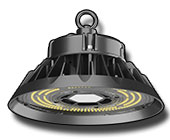
100 Watt
KD-HBD-W100-1
Ø248mm X 129mm
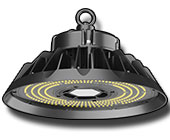
150 Watt
KD-HBD-W150-1
Ø295mm X 140mm
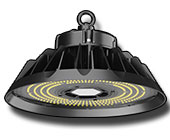
200 Watt / 240 Watt
KD-HBD-W200-1 / KD-HBD-W240-1
Ø320mm X 154mm
| Input Voltage: | AC 90V – 305V |
| Colour Temperature: | 3000K / 4500K / 6000K |
| Color Rendering Index: | 80+ |
| LED Type: | LED SMD 2835 ( OSRAM ) |
| IP Grade: | IP65 |
| Material: | Aluminium + PC Lens |
| Luminous Efficiency: | 150 Lumens per watt |
| Beam Angle: | 60° / 90° / 120° |
| Warranty: | 5 Years |
| Mounting Height: | 100 Watt: 15–20 ft (4.5–6 m) 150 Watt: 20–30 ft (6–9 m) 200 Watt: 30–40 ft (9–12 m) 240 Watt: 40–50 ft (12–15 m) |
High ceiling industrial bays present a tough energy challenge for factory managers today. Running high wattage fixtures around the clock drives up electric utility bills very fast. That is where the Coydon KD-HBD series UFO high bay steps in as a practical solution. Delivering a high luminous efficacy of 150 lumens per watt, this fixture cuts baseline power usage right out of the gate.
High lumen output is only the first half of the total energy saving equation. Integrating smart control technology takes overall facility efficiency to a whole new level. Equipped with advanced microwave sensors, KD-HBD high bays detect human movement and forklift traffic straight through dust, vapor, and thin partition walls. Light output ramps up instantly when operators enter high bay aisles or active storage bays.
When active work aisles clear out, the 1-10V dimming system kicks into gear smoothly. Instead of shutting off completely, lights drop down to low standby levels, like twenty or thirty percent. This dynamic light control approach maintains safe background visibility across empty zones while stopping energy waste dead in its tracks.
Combining high efficiency LED chip performance with automated dimming yields massive secondary energy savings for plant owners. Factory managers get bright, reliable illumination right when heavy tasks happen, without paying for full power in vacant storage areas.
The KD-HBD application matrix fits diverse manufacturing bays, logistics hubs, and cold storage rooms easily. Flexible color temperature choices and smart dimming controls make this fixture series a real heavy lifter for modern industrial facilities.
4.3 LED Flood Lights (KD-FLN & KD-FLM Series) Application Matrix
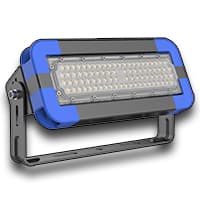
50 Watt
KD-FLN-W50
310mm x 87mm x 170mm
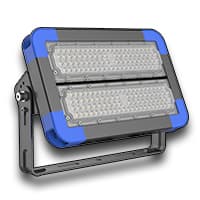
100 Watt
KD-FLN-W100
310mm x 87mm x 228mm
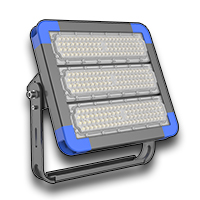
150 Watt
KD-FLN-W150
310mm x 87mm x 309mm
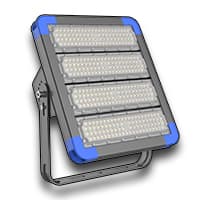
200 Watt
KD-FLN-W200
310mm x 87mm x 382mm
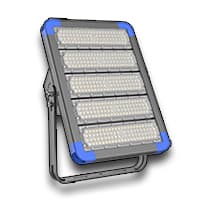
250 Watt
KD-FLN-W250
310mm x 87mm x 459mm
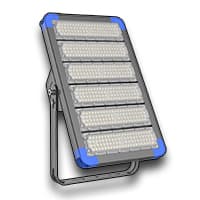
300 Watt
KD-FLN-W300
310mm x 87mm x 539mm
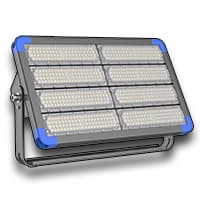
400 Watt
KD-FLN-W400
310mm x 107mm x 388mm
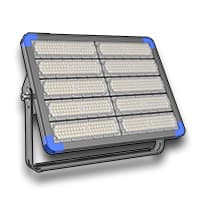
500 Watt
KD-FLN-W500
310mm x 107mm x 461mm
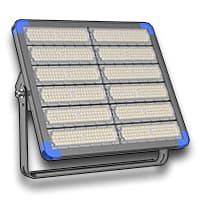
600 Watt
KD-FLN-W600
310mm x 107mm x 529mm
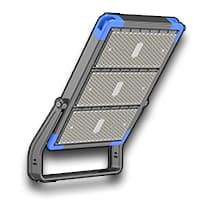
750 Watt
KD-FLM-W750
462mm x 584mm x 111mm
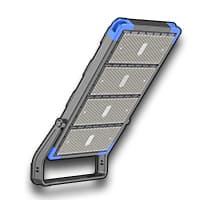
1000 Watt
KD-FLM-W1000
462mm x 761mm x 111mm
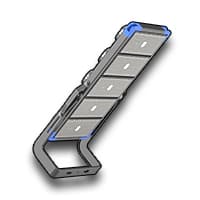
1250 Watt
KD-FLM-W1250
502mm x 1072mm x 307mm
| Input Voltage: | AC 85V – 277V |
| Colour Temperature: | 3000K / 4500K / 6000K |
| Color Rendering Index: | 80+ |
| LED Type: | LED SMD 3030 ( Lumileds ) |
| IP Grade: | IP66 |
| Material: | Aluminium + PC Lens |
| Luminous Efficiency: | 130 Lumens per watt |
| Beam Angle: | KD-FLN: 15° / 30° / 45° / 60° / 90° KD-FLM: 10° / 25° / 45° / 60° / 90° / 65 x 25° / 130 x 30° |
| Warranty: | 5 Years |
Outdoor factory sites beat up lighting gear fast. Heavy rain, thick airborne dust, and high heat kill cheap fixtures early. That is why Coydon built the KD-FLN and KD-FLM flood light series so tough. Sealed tight with full IP66 armor, these heavy-duty units block water and fine dirt completely. Delivering a sharp 130 lm/W efficiency, they pump out massive lumens while running cool night after night.
Optical versatility is where these floodlights really shine. The series offers diverse beam patterns to match tricky outdoor spaces. Need to throw light down a 100-foot tower crane? The narrow 10 degree spot lens punches a tight light beam deep into dark spots. Need to cover a wide shipping yard? The asymmetric 130×30 degree optic spreads light evenly across open lanes without blinding oncoming forklift drivers.
Color selection makes a big difference for night crews too. Clear 5000K daylight keeps workers alert around noisy equipment during late shifts. It cuts down eye strain when operators check equipment serial numbers outside.
For perimeter fences and gate security, 6000K cool white is the better choice. High CCT light boosts contrast on CCTV camera feeds, making site intruders easy to spot fast.
Pairing the right optical lens with 5000K or 6000K gives you full control over open yards, loading docks, and high-risk security zones.
5. Engineering Decision Framework & Comparative Analysis
5.1 Master CCT Selection Table for Industrial Applications
Picking CCT is not just about raw brightness on paper. Workers get headaches if you install the wrong color temp in low spaces. We put together this practical cheat sheet based on real shop floor setups:
| Industrial Application Zone | Recommended CCT | Target Illuminance (Lux / Fc) | Recommended Coydon Model |
| Low-Bay Warehouses & Packing | 4000K Natural White | 150–300 Lux (15–30 Fc) | KD-HBD Series (Low Wattage) |
| High-Bay Heavy Manufacturing | 5000K Daylight White | 300–500 Lux (30–50 Fc) | KD-HBD Series (High Output) |
| Precision Quality Control (QC) | 5000K Daylight White | 750–1000 Lux (75–100 Fc) | KD-HBD Series (High CRI 80+) |
| Cold Storage & Freezers | 5000K Daylight White | 200–400 Lux (20–40 Fc) | KD-HBD Series (Vapor Tight) |
| Outdoor Docks & Container Yards | 6000K Cool White | 100–200 Lux (10–20 Fc) | KD-FLN / KD-FLM Series |
| Perimeter Security & Gates | 6000K Cool White | 50–100 Lux (5–10 Fc) | KD-FLN Series (Narrow Beam) |
A quick rule of thumb before you place an order – watch your mounting heights. Stick with 4000K under 20 feet so operators do not fight harsh light glare all day. Once you hit 30-foot trusses, switch to 5000K daylight to punch through factory dust.
For outdoor fence lines and gates, mount 6000K floodlights instead. Cold white light makes night security camera images much sharper when catching trespassers. Line up the right CCT with your space and the fixtures pay for themselves fast.
5.2 Energy Efficiency, Smart Dimming, and Payback ROI
Upgrading legacy metal halide fixtures to high-efficiency LEDs is a no-brainer for cutting plant overhead. High-efficacy fixtures running at 150 lm/W instantly slash baseline power draw by over 60 percent. But the real savings kick in when you add smart 1-10V dimming and microwave sensors to the mix.
In typical 24/7 warehouses, forklift traffic in specific storage aisles is often hit-or-miss. Smart sensors hold light levels at 20 percent standby power when aisles sit empty. The moment a worker drives in, lights instantly ramp back up to full brightness. This dynamic setup prevents you from burning full wattage over empty concrete all night.
Let us look at the math on a standard factory retrofitting 200 units of 400W metal halide lamps. Replacing them with 150W Coydon UFO high bays equipped with smart sensors drops total daily energy use drastically. Factoring in local commercial electricity rates, most facility managers see full ROI and payback within 12 to 18 months.
After hitting the payback threshold, every kilowatt-hour saved goes straight back into your facility maintenance budget. Smart industrial lighting is not just a building fix. It is a high-yield operational investment that lowers your monthly utility risk fast.
5.3 Avoiding Common CCT Installation Mistakes in Industrial Retrofits
Rushing a retrofit without checking site details usually ends in costly do-overs. The biggest mistake? Mixing CCTs in one open bay.
Hanging 4000K lamps right next to 6000K fittings creates messy patches of warm and cold light. That sloppy mix causes visual confusion, throws off color checks, and gives workers severe headaches. Keep your lighting consistent across the entire room – no exceptions.
Ignoring floor reflectance is another classic trap. Dark, unsealed concrete soaks up light like a sponge. In those spaces, 4000K setups often feel dim and dreary. You need higher lumens or crisp 5000K beams to cut through the dark.
Flip that around for glossy epoxy floors. Mounting bright 6000K high bays over polished surfaces triggers brutal, blinding glares. Workers end up squinting all shift long, which slows down work and spikes safety risks.
Walk the floor first, check your finishes, and pick one CCT per zone.
6. Eliminating Project Risks with Professional DIALux Simulations
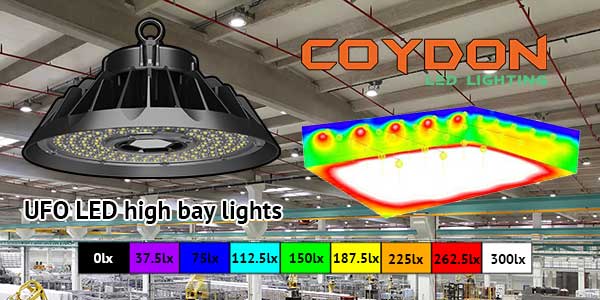
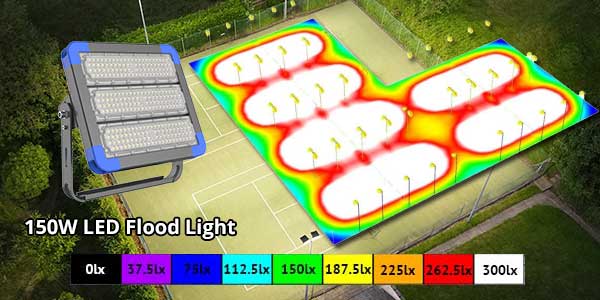
6.1 Why You Should Never Guess CCT and Foot-Candles Before Installation
Guessing light levels and color temperatures before a project starts is a gamble you will usually lose. Many facility owners order fixtures based on quick guesses rather than real photometric studies. That shortcut leads to dark work spots, nasty glare, and angry workers complaining about severe eye strain.
Under-lighting a shop floor creates serious safety risks around heavy machinery. On the flip side, over-lighting wastes power and burns through your utility budget for no reason. Getting CCT wrong is just as bad. A mismatched color temp turns detailed assembly work into a frustrating guessing game.
Fixing these mistakes after installation means pulling down wrong units, paying return fees, and enduring costly downtime. Run a proper Dialux simulation first. Mapping your space on paper ensures you get exact light levels, clean uniform coverage, and the right CCT from day one.
6.2 How Coydon Lighting Delivers Precise DIALux Simulation Reports
Skip the guesswork when planning your factory layout. At Coydon Lighting, we build exact 3D DIALux models of your facility before you spend a single dollar on hardware. We map every rack, high truss, and open aisle into our simulation software.
Our detailed report gives you high-resolution pseudo-color heat maps and clear Lux distribution charts. You see exactly where every lumen lands across your shop floor. Dark shadows, uneven patches, and harsh glares show up instantly, so we fix them on screen first.
We also pinpoint exact fixture mounting locations and tilt angles for your installation crew. No more guessing on scissor lifts or drilling extra holes in the roof.
We pair the right KD-HBD high bays or KD-FLN floodlights with precise beam angles, optics, and CCTs for your setup. You get an optimized power configuration that hits target foot-candles while keeping wattage draw low.
You receive a complete, ready-to-use lighting blueprint for your facility. That means zero layout surprises, no wasted budget, and perfect light levels on day one.
7. Conclusion & Actionable Next Steps

7.1 Key Takeaways for Industrial CCT Selection
Getting industrial CCT right comes down to four basic rules.
- Stick with warm 3000K in breakrooms and cafeterias to help workers relax during off-shift breaks.
- Use 4000K natural white for low-bay production and packing lines under 20 feet. It cuts visual fatigue and keeps crews comfortable all day.
- Switch to 5000K daylight white for high-bay manufacturing, precision QC, and cold storage. Punchy 5000K light cuts through factory dust and boosts focus on detail work.
- Finally, mount 6000K cool white floodlights for outdoor yards, docks, and security fences. Bright 6000K light sharpens CCTV video feeds and keeps site perimeters safe.
7.2 Take the Guesswork Out of Your Industrial Lighting Project
Why take huge risks guessing fixture counts and CCTs on your own? One bad layout choice can cost you thousands in retrofit fixes and lost worker downtime.
Let the engineering team at Coydon Lighting handle the heavy lifting for you. Just hit the “Inquiry Now” button on this page and drop us your facility dimensions, mounting heights, and core operational needs.
Our engineers will design a custom photometric scheme tailored specifically to your layout. You get a complete, free DIALux simulation report showing exact Lux levels, CCT matches, and fixture counts before you spend a dime.
Contact us today and make your next facility upgrade completely hassle-free.
8. Frequently Asked Questions

Q1: What is the main difference between 4000K and 5000K, and how do I choose?
Choose 4000K for lower ceilings under 20 feet and long-shift assembly lines where visual comfort matters most. Warm-leaning 4000K light reduces glare and cuts worker eye fatigue over 8-to-12-hour shifts.
Switch to 5000K daylight white for high bays over 30 feet, precision QC areas, and cold storage. Bright 5000K light boosts contrast, suppresses melatonin to keep operators alert, and penetrates factory dust easily.
Q2: Can I mix different CCTs like 4000K and 6000K in the same open bay?
Never mix different color temperatures in one continuous room or open bay layout.
Hanging 4000K fixtures alongside 6000K units creates messy, patchy lighting across your shop floor. That sloppy color mismatch causes visual distraction, throws off color perception during inspections, and gives workers bad headaches. Keep one consistent CCT per functional bay zone.
Q3: How does my plant floor finish affect CCT and fixture selection?
Floor reflectance changes how light behaves in your facility. Dark, unsealed concrete absorbs light like a sponge, making 4000K spaces feel dim and gloomy. You need higher lumen output or crisp 5000K daylight to keep light levels bright.
Conversely, mounting 6000K high bays over polished epoxy floors creates harsh, blinding glare. Workers end up squinting all shift long. Pair glossy floors with 4000K or 5000K fixtures using wide-angle, anti-glare optics.
Q4: How much energy can I save by adding smart dimming sensors to LEDs?
Upgrading old HID fixtures to high-efficacy LEDs instantly cuts your base energy draw by over 60 percent.
Adding 1-10V microwave sensors pushes those savings up to 70 or 80 percent total. Sensors drop lights down to 20 percent standby power when warehouse aisles sit empty. The moment a forklift enters, lights instantly ramp back up to full output. Most plants recover their full equipment investment within 12 to 18 months.
Q5: What details do I need to submit for a free Coydon DIALux report?
Getting a custom photometric layout is quick and simple. Just provide your building length, width, and clear ceiling height, along with your target light levels or general facility type.
Mention any unique site details like rack placements, dark concrete floors, or crane rails. Coydon engineers will generate a complete 3D DIALux simulation report within 24 to 48 hours, detailing exact fixture counts, mounting angles, and Lux heatmaps before you place an order.
Q6: Why is 6000K recommended for outdoor yards instead of 4000K?
Outdoor perimeter security and container yards rely heavily on high visual contrast over long distances.
Crisp 6000K cool white light sharpens live CCTV camera feeds, making moving objects, truck license plates, and potential trespassers much easier to spot at night. Higher CCT floodlights also penetrate dark outdoor yards far better than warmer indoor color temperatures.